Blue Ridge Equipment Services
Spotting common heavy equipment problems
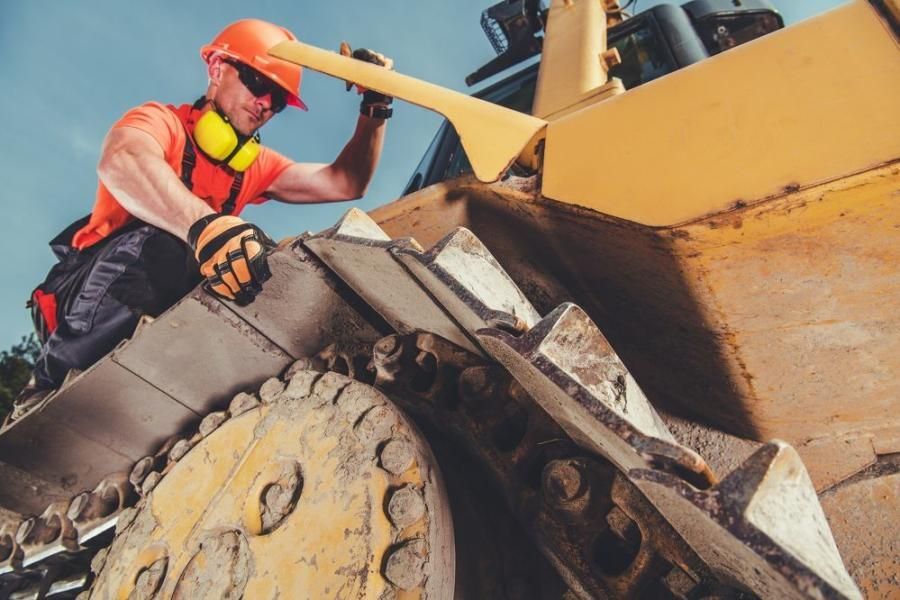
Spotting common heavy equipment problems involves looking for warning lights, leaks, unusual noises (hissing, grinding, clunking), excessive smoke, vibrations, poor performance, and difficulty starting. These signs often point to issues like engine malfunctions (fuel, filters), hydraulic failures (leaks, pressure loss), electrical faults, or excessive wear and tear, with proactive inspections, proper operator training, and consistent maintenance being key to prevention, according to sources like Warren CAT and FieldEx.
Key Warning Signs & What They Mean
- Warning Lights/Dashboard Alerts: Immediate red flags for low oil pressure, high temperatures, or electronic issues; shut down the machine.
- Unusual Noises: Hissing (leaks), grinding/clunking (gears, hydraulics, brakes), or wheezing signal component failure or misalignment.
- Fluid Leaks (Oil, Hydraulic Fluid, Coolant): Indicates failing seals, cracked hoses, or component damage, requiring immediate action.
- Excessive Smoke/Strange Smells: Thick, dark, or discolored smoke points to fuel system, air filter, or engine problems.
- Vibrations/Rough Operation: Suggests loose parts, imbalance, or worn components.
- Decreased Performance/Stalling: Can stem from clogged filters, bad fuel, electrical issues, or hydraulic problems.
Common Problem Areas
- Engine: Fuel contamination, clogged filters, lubrication issues, overheating.
- Hydraulics: Leaks, contamination, air entrapment, pressure loss.
- Electrical: Wiring faults, battery issues, corroded terminals, sensor failures.
- Undercarriage/Tracks: Wear, misalignment from rough terrain.
- Cooling System: Clogs, leaks, leading to overheating.
How to Spot Them Early
- Regular Inspections: Check fluid levels, hoses, belts, and look for visible damage or corrosion.
- Listen & Feel: Pay attention to sounds and vibrations during operation.
- Monitor Performance: Note any power loss or slower operation.
- Operator Training: Educate operators to recognize and report issues immediately.
- Maintenance Records: Use a CMMS system to log and track issues.
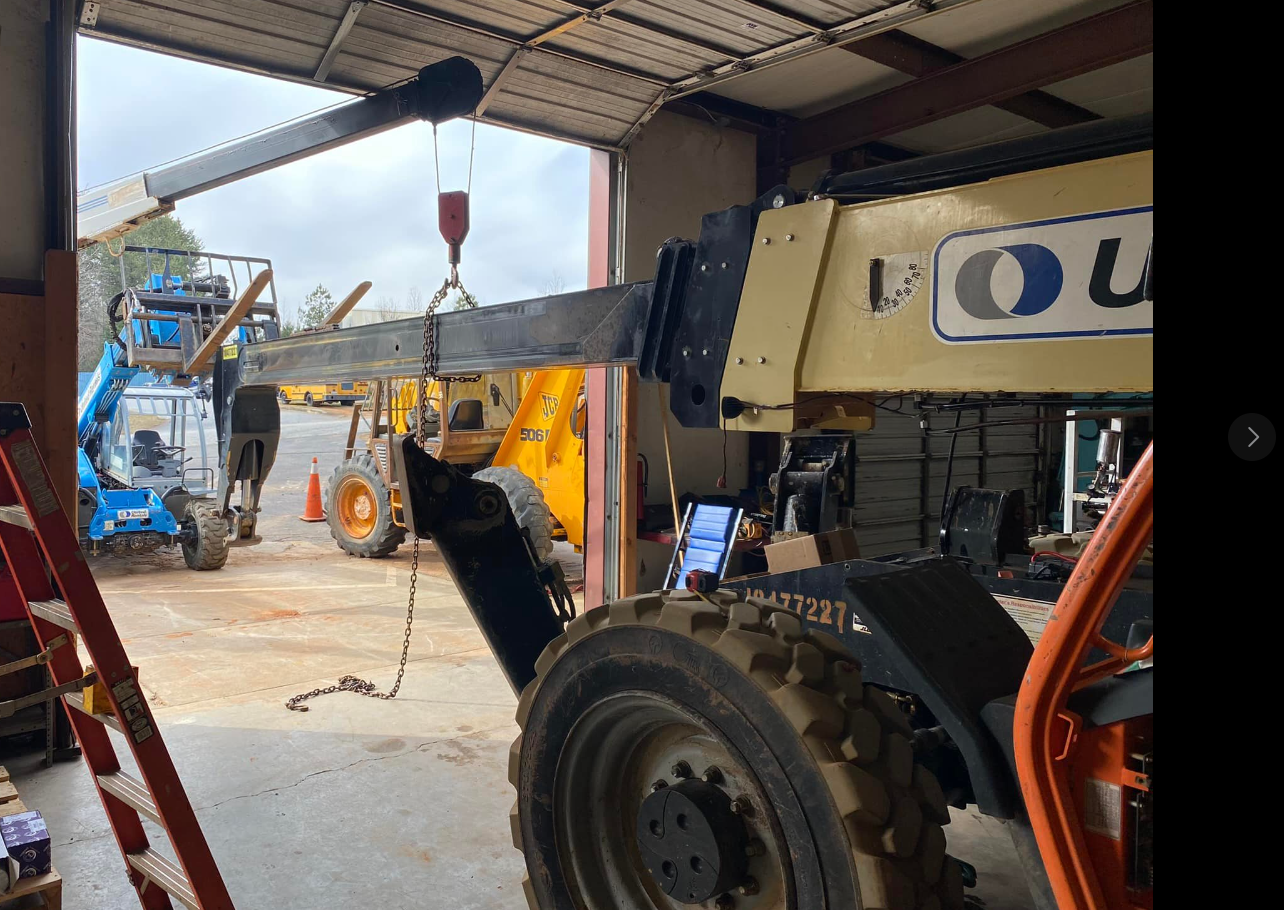
A preseason equipment checklist helps ensure that tools, machinery, or sports gear are in good working condition before the season begins, preventing potential problems and promoting safety. These checklists vary depending on the equipment, but generally include inspecting for wear and tear, ensuring proper functionality, and replacing worn parts.
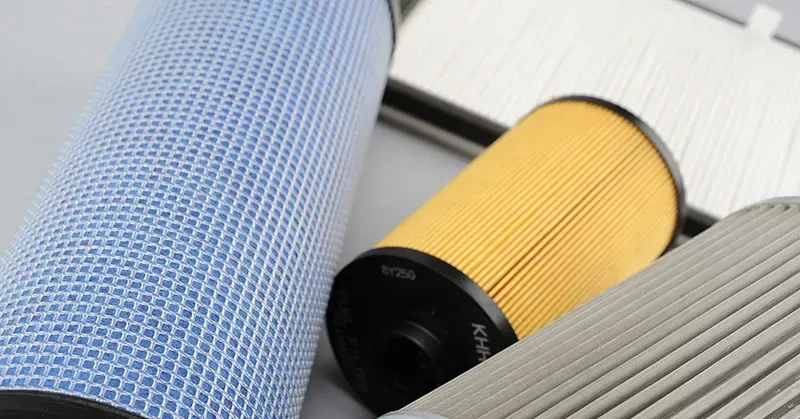
A Breakdown of Heavy Equipment Filters Used in Construction Machinery
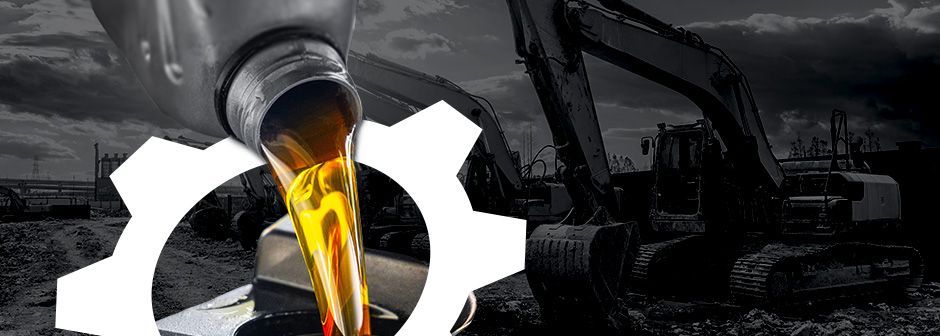
Don t Get Stranded: Why Fluid Analysis is Crucial for Heavy Equipment